Industrial control, modular by design.

One controller. A growing family of plug-in I/O and sensing modules on a fail-safe Modbus backplane. Cloud-native monitoring, control and fleet firmware updates — built in from day one.

Modbus RTU backplane · 1 Mbps Signed OTA with automatic rollback Per-device TLS identity In active development — now running a live NFT greenhouse. Field notes →
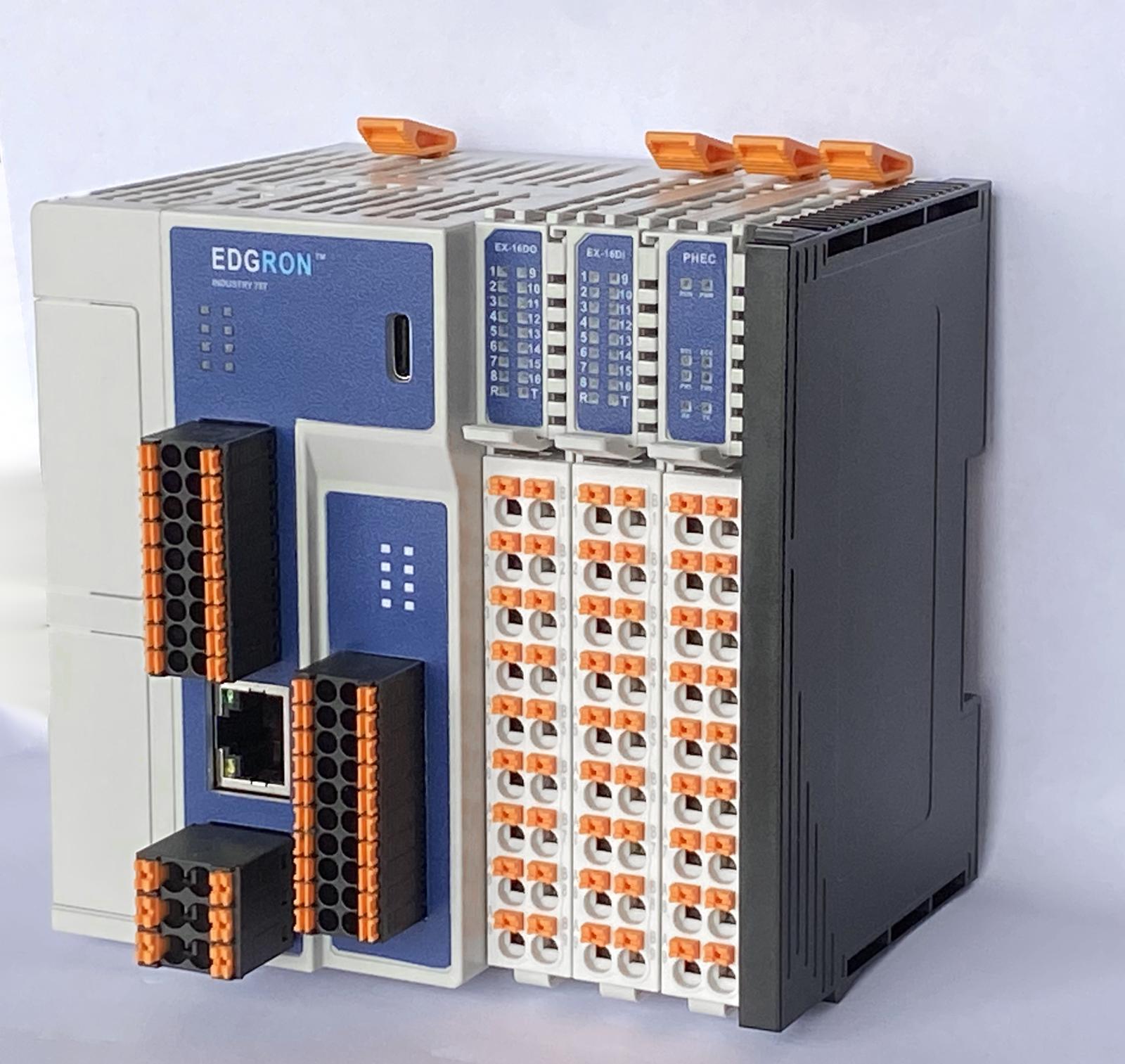
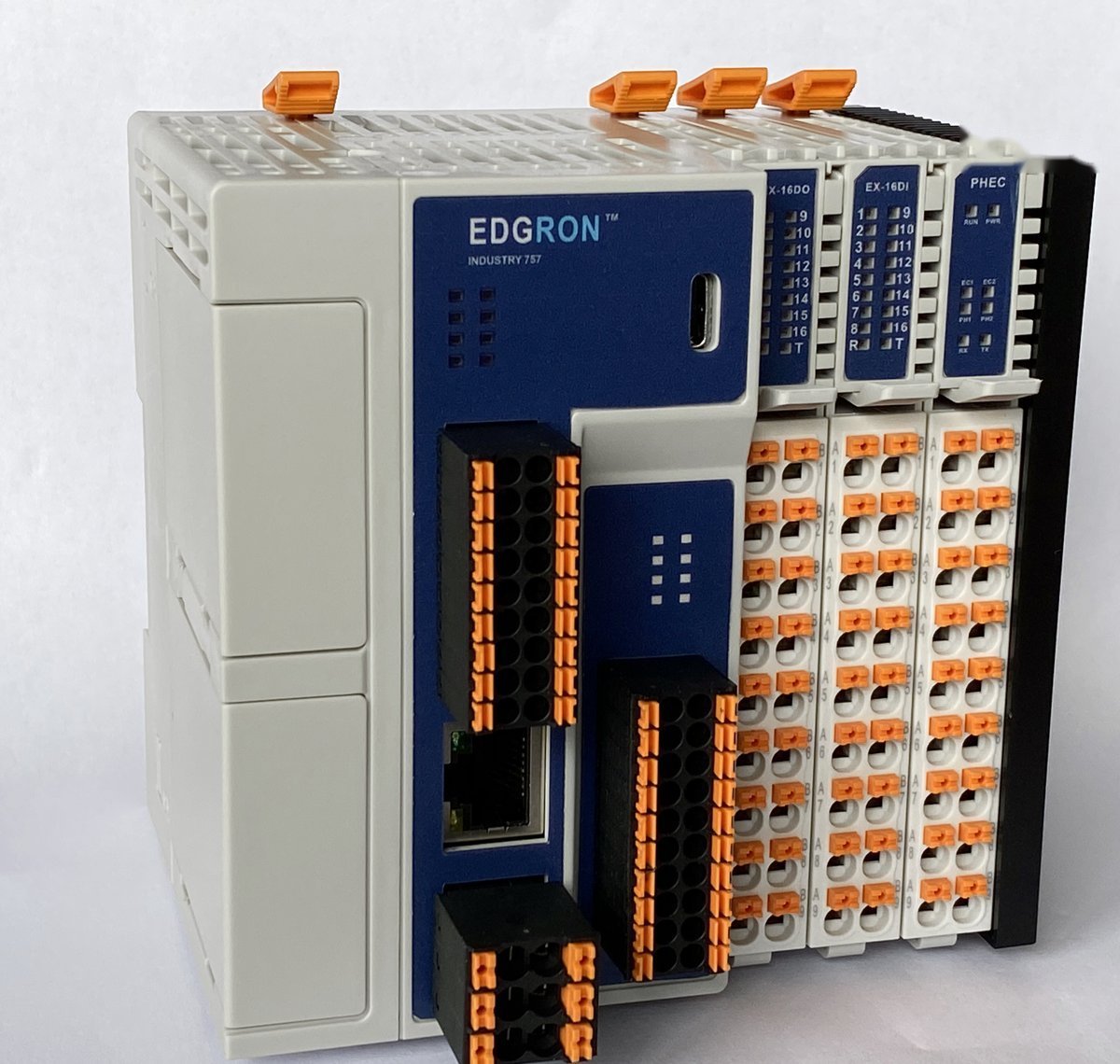
Industry 757 controller with EX-16DO, EX-16DI and PH-EC expansion modules and the EX-BUS entry board, DIN-rail enclosures
Industry 757 with EX-16DO, EX-16DI and PH-EC modules and the EX-BUS entry board — production enclosures, as shipped.

Industry 757 Controller

A dual-core industrial controller that is equally at home running field I/O, acting as a Modbus/CAN edge gateway, or streaming data to the cloud.

Compute
Dual-core Arm® Cortex®-M7 + M4 (up to 480 MHz), SDRAM + QSPI flash
Networking
10/100 Ethernet · MQTT over TLS
Serial
6× RS-485 field ports (2 isolated) + dedicated expansion backplane
CAN
2× CAN (1 galvanically isolated)
Digital in
8× high-speed inputs — pulse counting & quadrature encoders
Analog in
8× channels, routed to plug-in sensing subcards
Storage
SD card data logging
Service
USB-C service port · buzzer · power-loss detection
Security
Hardware secure element · mTLS device identity · signed firmware, dual-bank OTA with automatic rollback

Fail-safe by contract

Every expansion module enters a defined safe state within 3 seconds of losing the bus. Outputs recover only under explicit host command — never by accident.

Standards, not lock-in

The backplane speaks plain Modbus RTU. Third-party tools can talk to every module directly — nothing proprietary between you and your I/O.

Expansion Modules

Snap-in blades or external DIN modules — same PCB, same protocol, addressable 1–16 on a single daisy-chained cable.
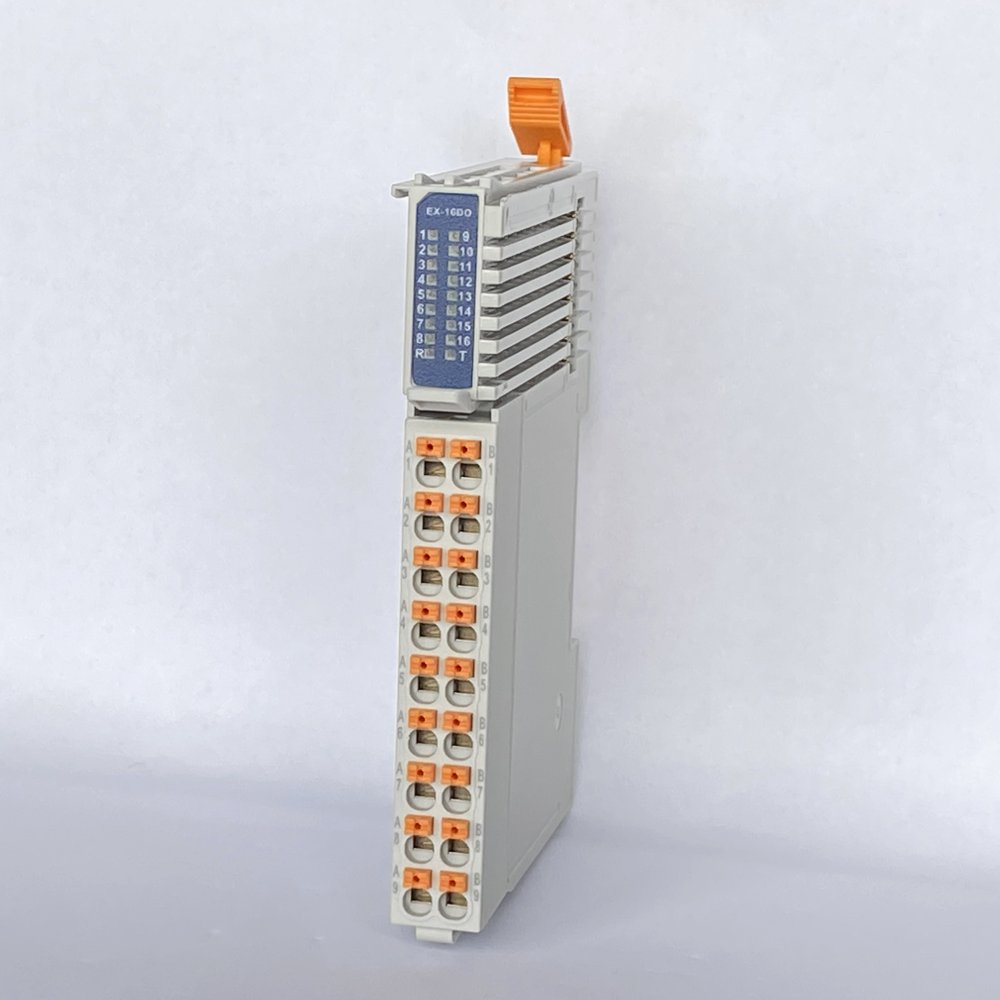
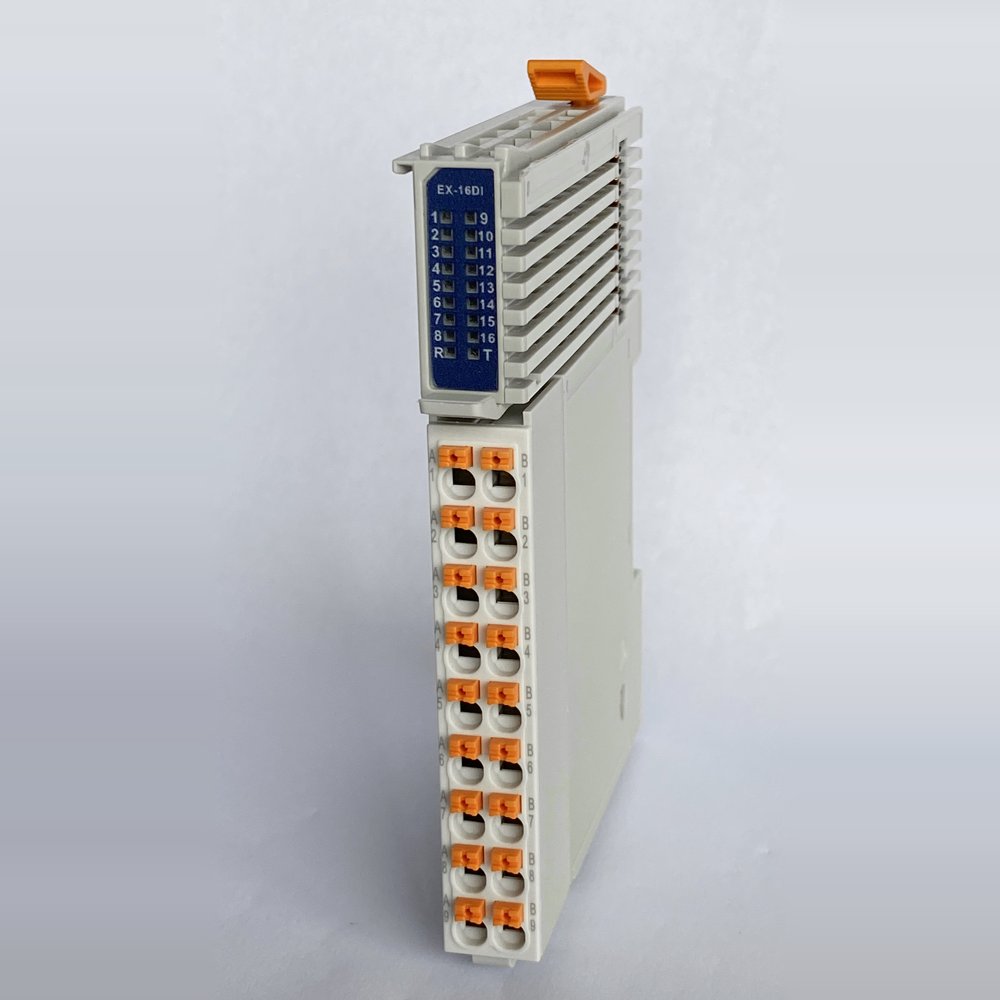
EX-16DO 16-channel isolated output module, standalone EX-16DO

16-Channel Isolated Digital Output

Solid-state PhotoMOS outputs with per-channel surge protection. Bus-loss safe state, wear-free switching.

  • 16× isolated outputs, 200 mA per channel
  • TVS surge protection on every channel
  • Safe-state all-off on bus loss
EX-16DI 16-channel isolated input module, standalone EX-16DI

16-Channel Isolated Digital Input

Constant-current isolated input front end — stable thresholds across the whole supply range, per-channel indication.

  • 16× isolated inputs, constant-current front end
  • Wide-range field voltage tolerance
  • Same blade form factor and backplane protocol
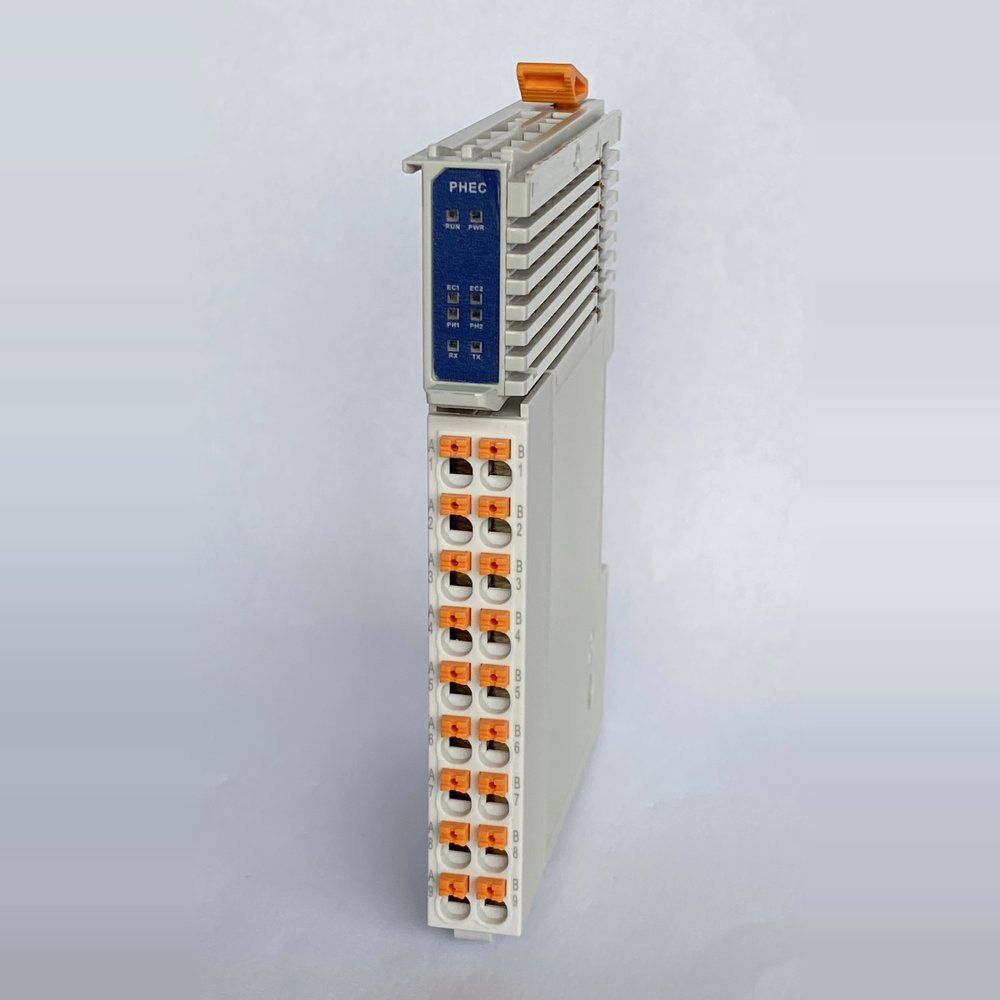
PH-EC dual-channel water quality module, standalone PH-EC

Dual-Channel Water Quality

2× pH + 2× conductivity + 4× temperature on one module — populate one or both channels. Built for hydroponics and fertigation.

  • pH: guarded GΩ input, 24-bit acquisition
  • EC: synchronous-detection, 0–10 mS/cm (K=1.0 cells)
  • Isolated analog front end · probe-fault detection
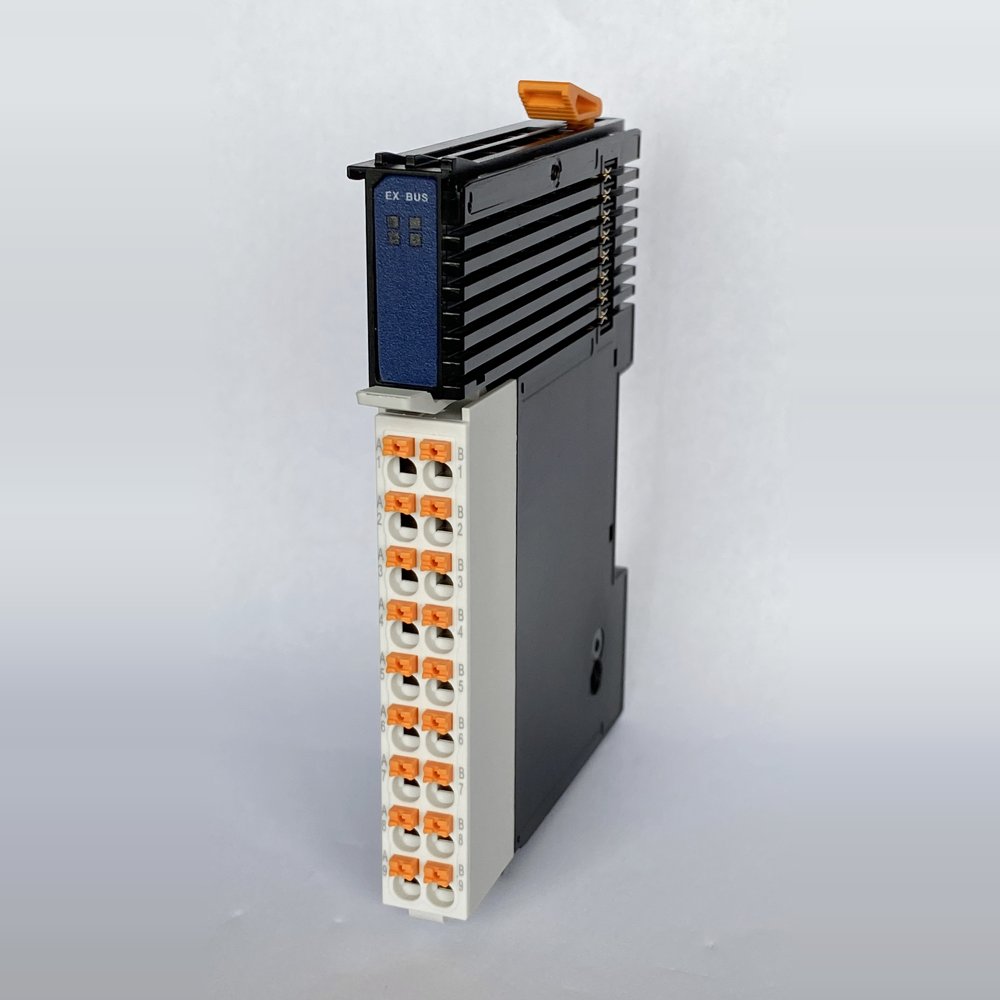
EX-BUS passive bus access board in the standard expansion enclosure EX-BUS

Bus Access Board

Passive power, earth and RS-485 entry for a module row — inject 24 V mid-row on a long backplane, or run a module group stand-alone under any Modbus master.

  • 9–36 V DC supply, two paralleled terminals per rail
  • Filtered, surge-protected power and bus entries, PE terminal
  • 120 Ω terminator engaged by a wire link · no MCU, no address
EX-6RTD · coming soon

Precision Temperature

2/3/4-wire Kelvin RTD sensing for lab-grade temperature measurement, on the same backplane.

  • Kelvin connection, per-channel reference
  • PT100 / PT1000 support

Built for Fertigation & Water Control

The platform grew up in irrigation: pH and EC sensing, dosing-pump sequencing, flow counting and valve control are first-class citizens — not an afterthought bolted onto a generic PLC.

Sense

pH, conductivity and temperature on the PH-EC module; pulse flow meters and quadrature sensors on the controller's high-speed inputs.

Dose & actuate

Dosing pumps, valves and mixers on EX-16DO solid-state outputs — with a defined safe state when anything upstream fails, so a fault never keeps a pump running.

Supervise

Recipes and interlocks run on the controller in C — your firmware, your rules. The cloud watches, logs and alerts; the site keeps running with or without it.

The same building blocks carry other serious jobs — access control with RS-485 readers and door hardware on isolated I/O is a natural fit.

Honest Engineering

Industrial hardware earns trust in the details. A few of ours, up close.

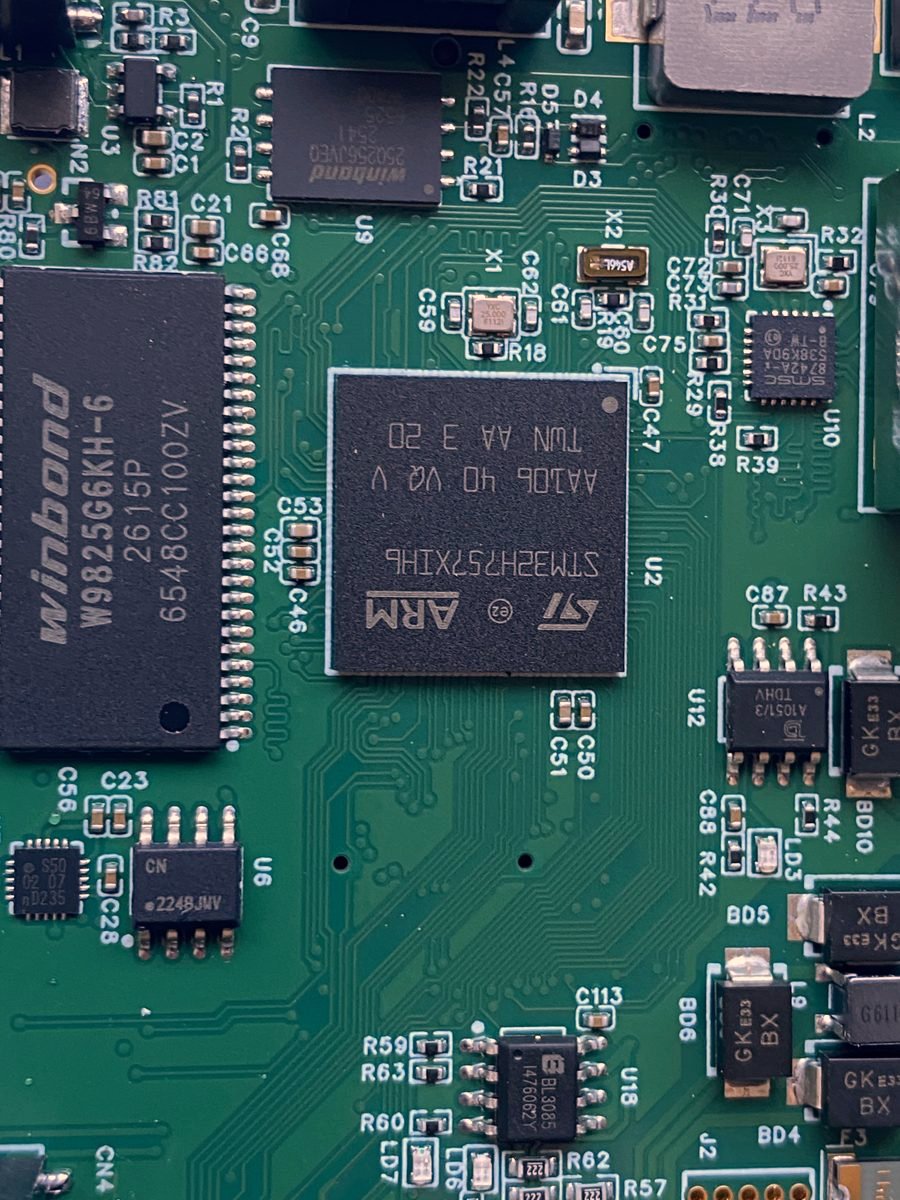
Dual-core MCU and SDRAM close-up

Dual-core Arm® MCU with external SDRAM and QSPI flash — headroom for real applications.

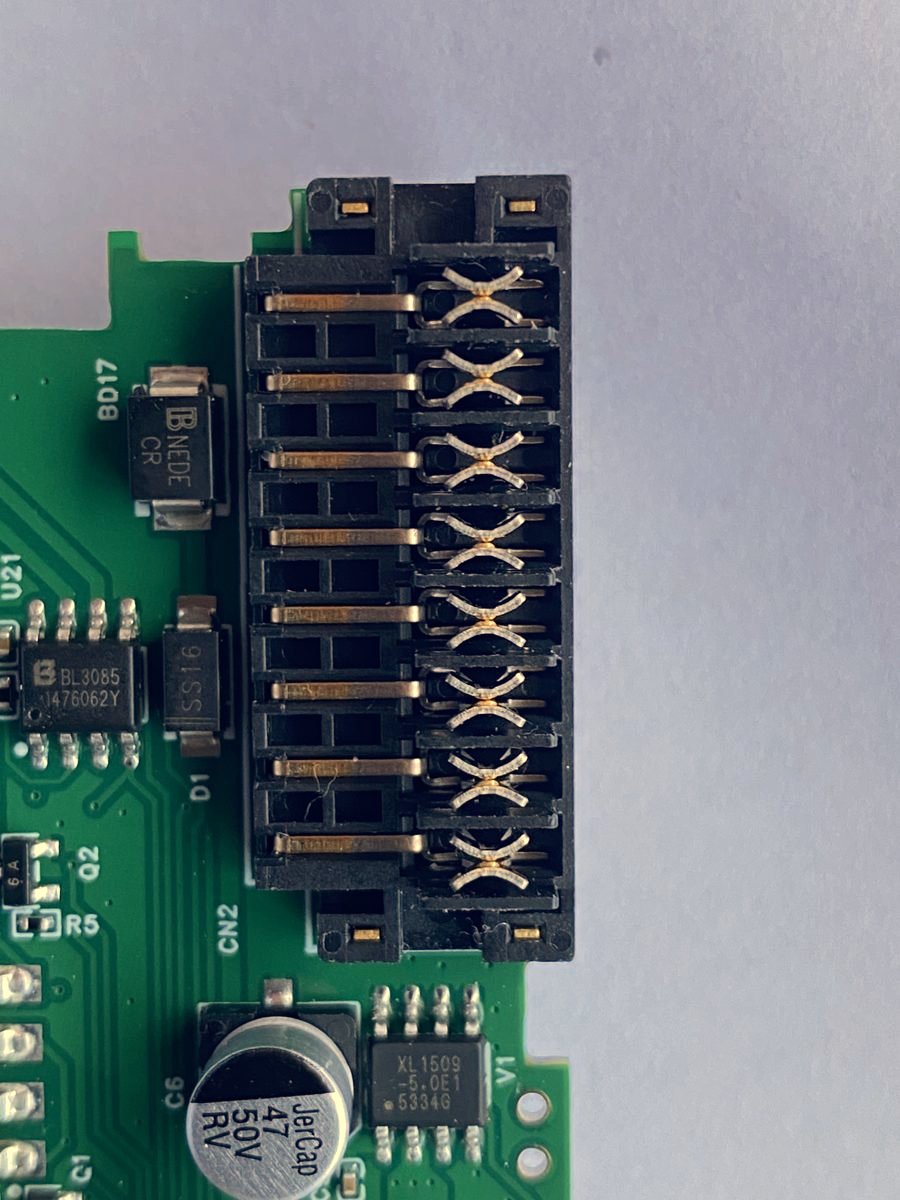
Backplane connector close-up

The expansion backplane: gold-plated pass-through contacts, one cable, sixteen addresses.

Controller with three expansion modules and the EX-BUS board, seen from the right

Controller and expansion boards mate through the enclosure — no ribbon cables, no adapters.

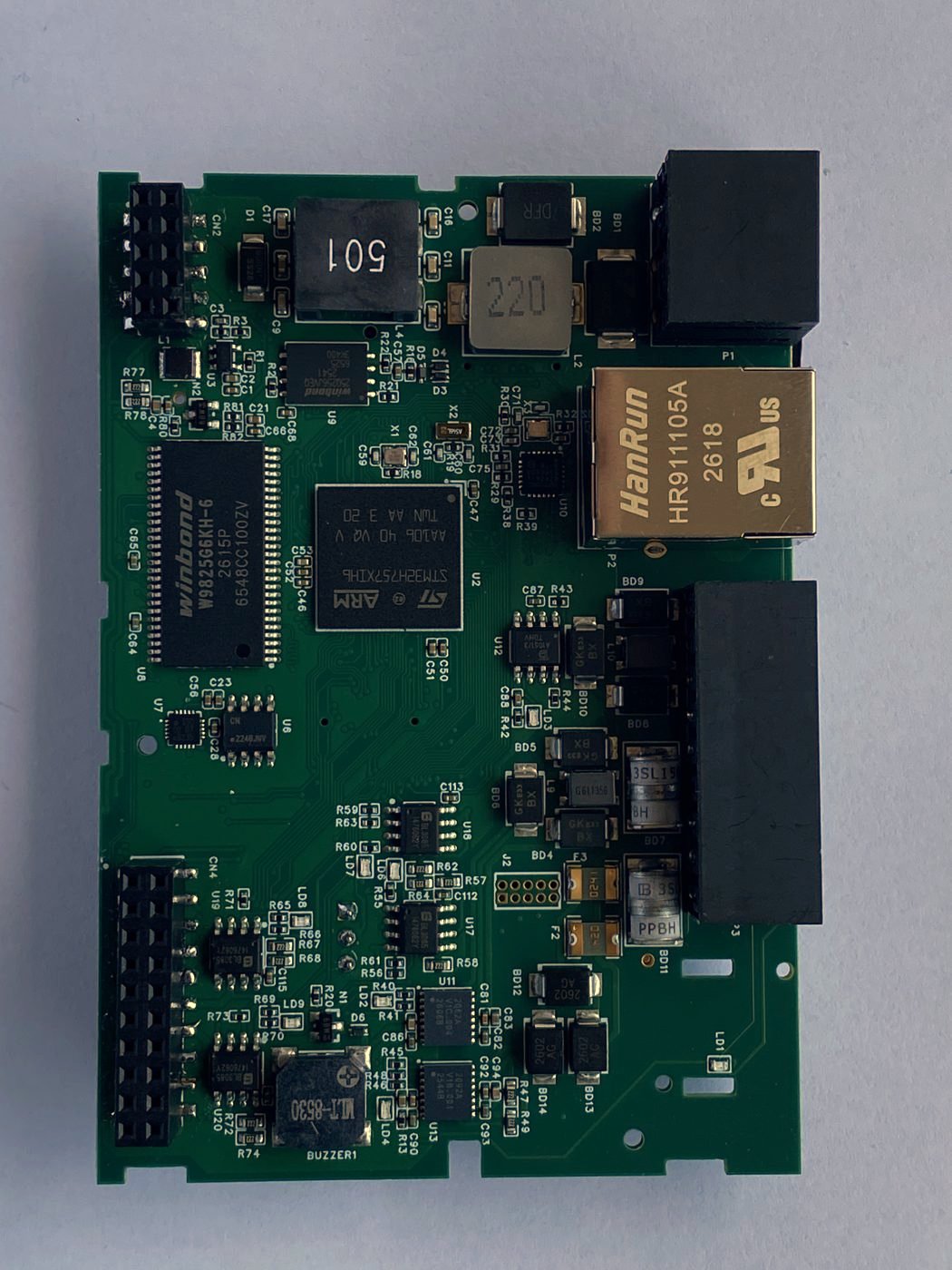
Main controller board

The Industry 757 main board: Ethernet, six RS-485 ports, isolated CAN, secure element.

From the Field

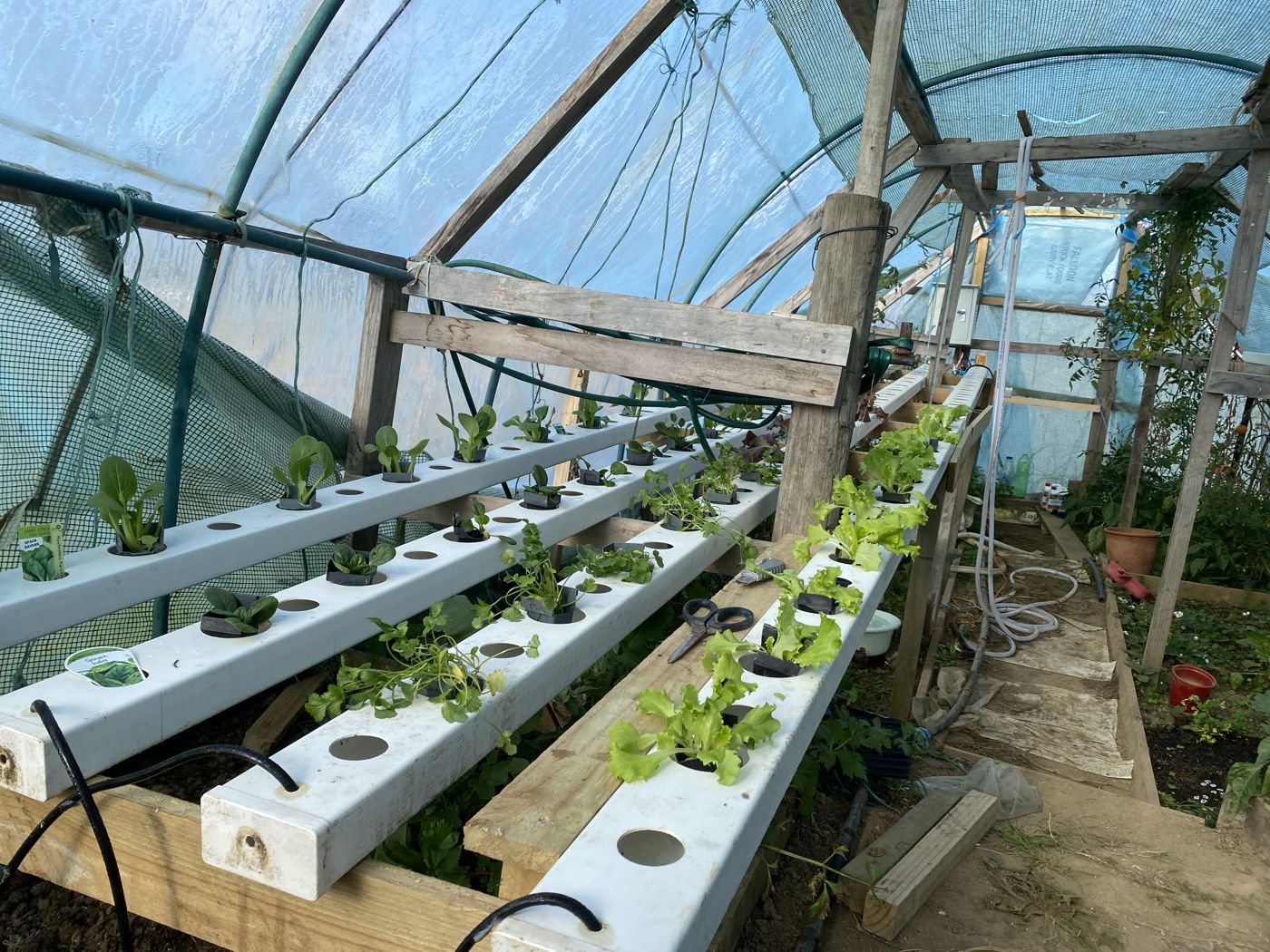
The platform is out of the lab: an NFT hydroponic greenhouse runs on an Industry 757 with PH-EC, 16DI and 16O modules — logging pH, conductivity and temperature around the clock, streaming to the cloud, updated over the air.

NFT channels planted with lettuce, coriander and bok choy
First 72 plants in the water — August 2026, Auckland, New Zealand.

Real data, real events

The dashboard caught an unattended reservoir top-up from its EC and temperature signature — and now flags them automatically. Dosing steps, day-night thermal behaviour, probe health: it's all in the curves — watch them live.

Fixed from here

A firmware defect surfaced on the site's first hot day — diagnosed remotely and patched the same afternoon over signed OTA, no site visit. Read the full field notes →

Cloud Platform

Every controller ships cloud-ready: real-time dashboards, remote control and fleet firmware management — or point it at your own MQTT infrastructure (AWS IoT verified, with an on-board identity you own).

Self-describing devices. Add a module or a third-party Modbus/CAN device and it appears as data points — configuration, not code.

Fleet OTA. Signed firmware, dual-bank swap, trial period with automatic rollback — an update can fail without ever bricking a site.

Your cloud or ours. Per-device certificates and a configurable trust anchor: generate your own device identity in the secure element and connect to your own AWS IoT account — no dependency on us.

Follow the Build

Hardware is moving fast: the first site — an NFT hydroponic greenhouse — is live and logging around the clock (field notes). Leave an email and we'll write when there is something worth your time — availability, engineering notes, no noise.

No marketing chains, no sharing. One-click unsubscribe in every mail.